Why a DIY Facial at Home Never Quite Feels Like a Professional One (It's Not Just the Products)
A DIY facial using genuinely good products at home still often falls noticeably short of how a professional facial actually feels, and product quality alone doesn’t fully explain that gap. Here are the specific technique and sequencing elements that actually create the difference, and how to close some of that gap at home. This is general information, not medical advice.
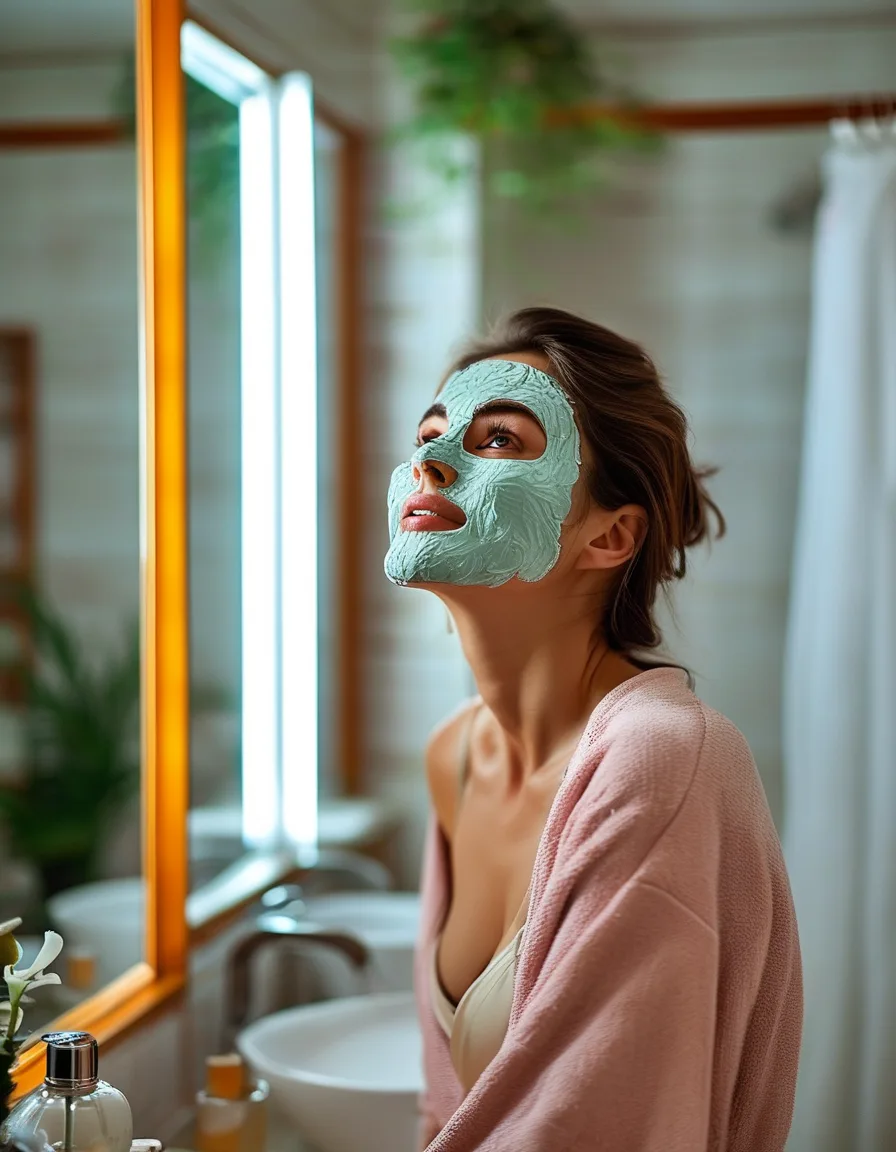
Why Product Marketing Still Focuses Almost Entirely on the Products Themselves
The marketing mismatch: the skincare-product-marketing-has-a-direct-incentive-to-emphasize-what-it-sells-rather-than-the-technique-and-environment-factors-that-cost-nothing-extra (the skincare industry having a direct commercial incentive to emphasize product formulation and ingredients specifically, since that’s what it actually sells, rather than the technique and environmental factors that contribute just as much to the felt experience but don’t require buying anything, per the diy-beauty-what-works-guide logic — the skincare-industrys-direct-commercial-incentive-to-emphasize-product-formulation-rather-than-technique-and-environmental-factors-that-dont-require-buying-anything), and the frame (the marketing mismatch as a reason product quality gets disproportionate credit or blame for the DIY-versus-professional gap, when technique and environment are at least as responsible and cost nothing extra to improve).
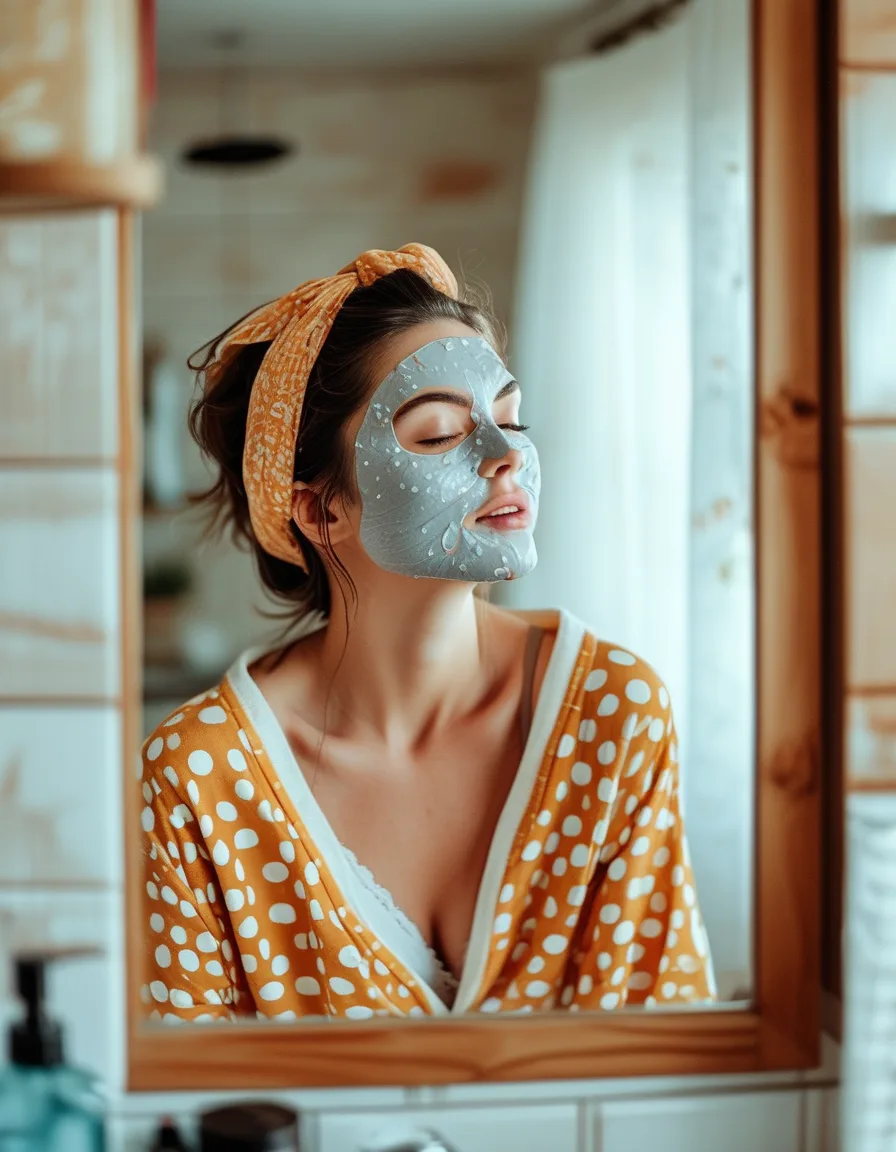
The Specific Technique and Sequencing Elements That Actually Create the Difference
What professionals do differently: the professional-facials-use-specific-massage-technique-and-pressure-sequencing-that-most-diy-routines-skip-entirely (the trained facial massage technique — specific pressure points, directional strokes, timing — being a substantial component of what makes a professional facial feel different, an element most DIY routines skip entirely in favor of just applying products, per the home-facial-routine-guide logic — the trained-facial-massage-technique-with-specific-pressure-points-directional-strokes-and-timing-being-a-substantial-component-most-diy-routines-skip-entirely-in-favor-of-just-applying-products), the the-professional-treatments-are-sequenced-with-precise-timing-between-steps-that-a-rushed-home-routine-often-compresses (the precise timing intervals between steps — how long a product actually sits, when steam or heat gets introduced — being deliberately calibrated in a professional setting in a way a home routine, often compressed for time, doesn’t replicate, per the the-fifteen-minute-version-of-a-home-spa-guide logic — the precise-timing-intervals-between-steps-being-deliberately-calibrated-in-a-professional-setting-in-a-way-a-home-routine-often-compressed-for-time-doesnt-replicate), the the-professional-settings-include-a-genuine-environmental-and-sensory-component-beyond-the-skincare-itself-that-contributes-to-the-felt-experience (the ambient environment — dim lighting, specific temperature, being fully reclined and passively cared for rather than actively performing the routine on yourself — contributing a genuine sensory and psychological component to the felt experience that’s structurally hard to replicate while doing your own routine, per the bath-ritual-science-guide logic — the ambient-environment-and-being-passively-cared-for-rather-than-actively-performing-the-routine-yourself-contributing-a-genuine-sensory-and-psychological-component-thats-structurally-hard-to-replicate), and the frame (the actual gap as trained massage technique most DIY routines skip, precisely calibrated step timing that a rushed home routine compresses, and the passive, cared-for sensory experience that’s structurally hard to replicate while performing your own routine — real, specific factors well beyond simply which products get used).
How to Close Some of That Gap at Home
What actually helps: the learn-and-incorporate-a-basic-facial-massage-sequence-rather-than-only-applying-products-passively (the learning even a simplified version of professional facial massage technique and actually incorporating it, rather than only applying products without any massage element at all, directly addressing the biggest skipped component, per the facial-massage-lymphatic-guide logic — the learning-even-a-simplified-professional-massage-technique-and-actually-incorporating-it-directly-addresses-the-biggest-skipped-component-of-most-diy-routines), the the-actually-time-each-step-deliberately-rather-than-rushing-through-a-routine-compressed-into-a-few-minutes (the deliberately setting and respecting proper timing for each step rather than compressing the whole routine to save time, directly addressing the sequencing gap, per the home-spa-day-guide logic — the deliberately-setting-and-respecting-proper-timing-for-each-step-rather-than-compressing-the-whole-routine-directly-addresses-the-sequencing-gap), the the-deliberately-create-some-of-the-passive-sensory-environment-through-lighting-temperature-and-genuinely-reclining-rather-than-standing-at-a-sink (the intentionally setting up dim lighting, comfortable temperature, and a genuinely reclined position rather than standing at a bathroom sink, addressing at least part of the environmental and psychological gap even though the fully passive experience can’t be entirely replicated alone, per the evening-wind-down-spa-hour-guide logic — the intentionally-setting-up-dim-lighting-comfortable-temperature-and-a-genuinely-reclined-position-addresses-at-least-part-of-the-environmental-gap-even-though-the-fully-passive-experience-cant-be-entirely-replicated-alone), and the frame (the way to close the gap as learning and incorporating even simplified massage technique, deliberately timing each step rather than compressing the routine, and intentionally setting up some of the passive sensory environment through lighting and position — closing much of the real gap even without a professional’s hands actually doing the work. This is general information, not medical advice.)
The gap between a DIY home facial and a professional one comes from more than product quality — trained facial massage technique with specific pressure points and directional strokes is a substantial component most home routines skip entirely in favor of just applying products, precisely calibrated timing between steps gets compressed in a rushed home routine, and the ambient environment plus being passively cared for rather than actively performing the routine yourself contributes a real sensory and psychological component that’s structurally hard to replicate alone. Closing some of that gap at home means learning and actually incorporating even a simplified version of professional facial massage technique, deliberately timing each step properly rather than compressing the whole routine to save time, and intentionally setting up dim lighting, comfortable temperature and a genuinely reclined position rather than standing at a bathroom sink, addressing at least part of the environmental gap even though the fully passive experience can’t be entirely replicated solo. This is general information, not medical advice.
Keep Reading
This article is for general informational and styling purposes only. Fit, sizing, and product availability may vary.