The Missing Step That Makes DIY Facials Feel Nothing Like a Spa Facial
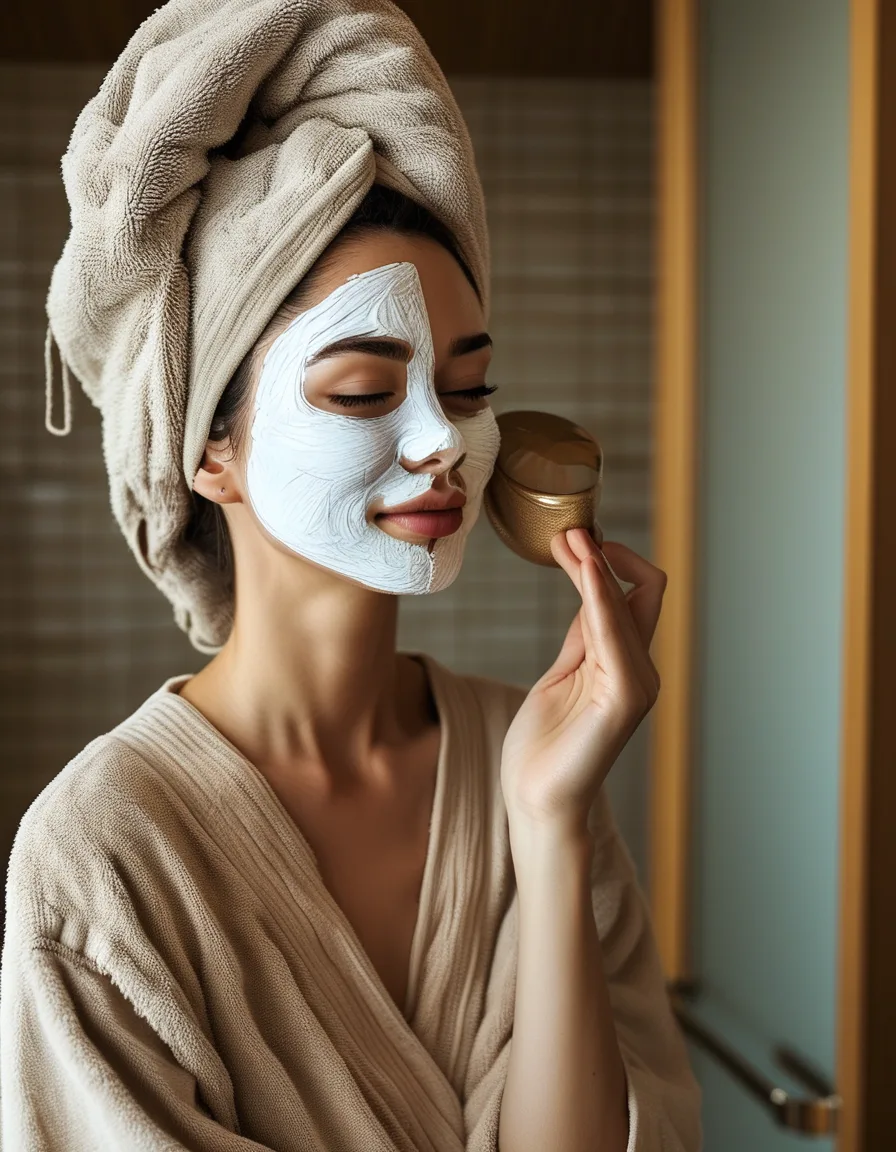
DIY facials tend to feel pleasant but forgettable compared to a professional one, and it usually isn’t about product quality. It’s a sequencing and technique gap, most often centered on one step people either skip or rush.
The Step Most DIY Routines Skip
The core gap: the the-extraction-and-exfoliation-depth-gap (professional facials typically including a more thorough exfoliation and, where appropriate, gentle extraction step that most home routines skip entirely in favor of jumping straight to a mask), the the-steam-step-often-rushed (facial steaming being commonly rushed or skipped at home, even though it’s what softens the skin enough for exfoliation and masks to actually penetrate rather than sit on the surface), the the-massage-technique-gap (professional facials incorporating specific facial massage techniques for circulation that most home routines leave out entirely, focusing only on product application).
Why This Step Makes the Biggest Difference
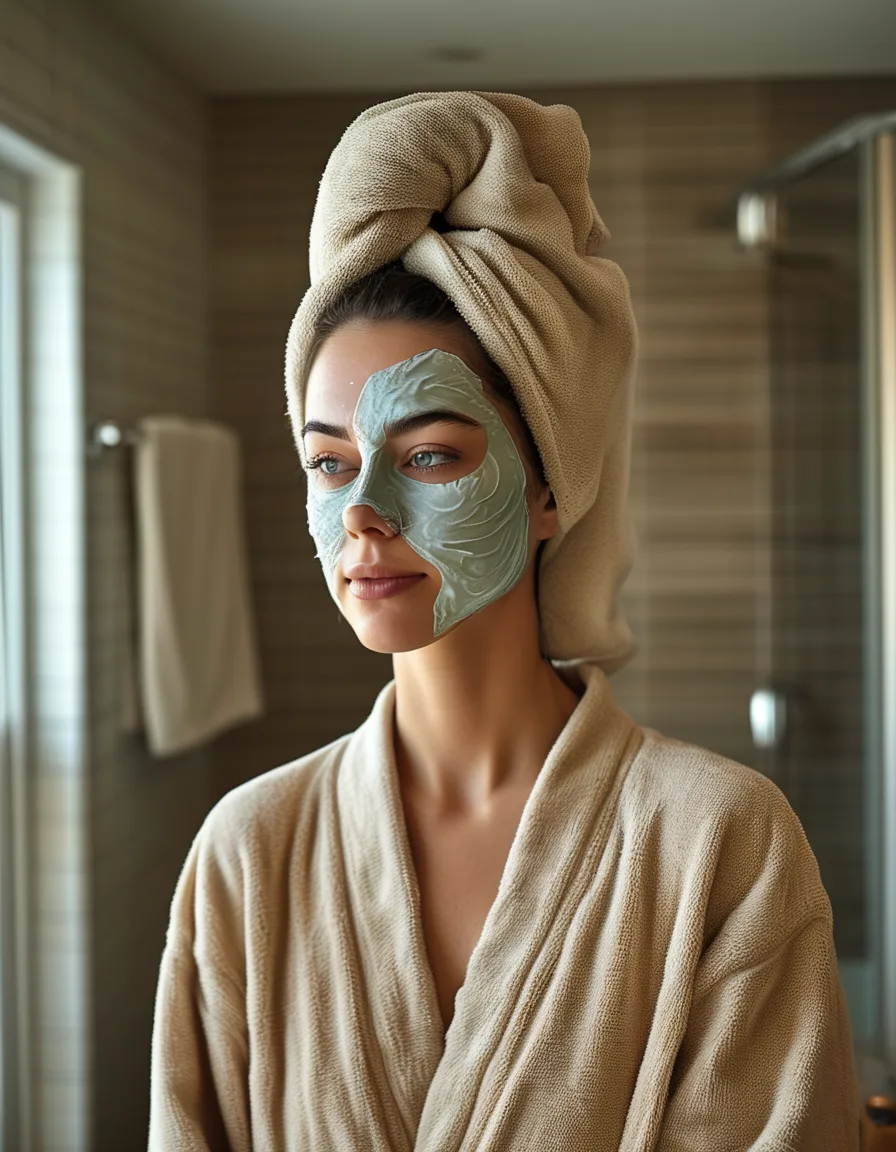
The mechanism: the the-product-effectiveness-multiplier (a properly steamed and gently exfoliated face allowing subsequent masks and serums to absorb significantly better, which is why the same products can feel more effective at a spa than at home), the the-circulation-and-glow-connection (facial massage measurably increasing blood flow to the skin, which is a meaningful part of the immediate ‘glow’ effect people associate with professional facials specifically), the the-time-investment-difference (professional facials typically spending more total time on preparation steps relative to the mask itself, the reverse of how most home routines are structured).
Adding It Safely at Home
The practical addition: the the-steam-before-mask-order (steaming for five to ten minutes before applying any mask or exfoliant, using a bowl of hot water and a towel tent, being a simple and safe way to close much of the gap), the the-gentle-massage-technique (a few minutes of gentle upward facial massage with clean hands or a tool before the mask step adding a meaningful circulation boost with no product cost), and the frame (steam first, then a brief massage, before the mask, is the sequencing change that makes a DIY facial feel far closer to a professional one)).
DIY facials tend to feel pleasant but forgettable next to a professional one, and the gap usually isn’t about product quality — it’s that most home routines skip or rush the steaming step, skip facial massage entirely, and jump straight from cleansing to a mask. Steam is what softens skin enough for a mask or exfoliant to actually absorb rather than sit on the surface, and facial massage measurably increases blood flow, which is a real part of the immediate glow people associate specifically with professional facials. Adding five to ten minutes of steam before any mask, and a few minutes of gentle upward massage before that, closes much of that gap with no extra product cost — it’s a sequencing change, not a product upgrade. The Missing Step That Makes DIY Facials Feel Nothing Like a Spa Facial comes down to steam and massage getting skipped in favor of jumping straight to the mask.
Keep Reading
This article is for general informational and styling purposes only. Fit, sizing, and product availability may vary.