Why Water Temperature Actually Matters for Your Home Spa Routine (More Than People Think)
Quick Answer: Very hot water (above about 104°F/40°C) can strip skin’s natural oils, worsen dryness, and actually disrupt sleep if used right before bed by raising core body temperature too much. A warm (not scalding) bath around 92-100°F, especially 1-2 hours before bedtime, supports both skin health and better sleep.
A scalding-hot bath feels like the ultimate relaxation ritual, but water temperature has real, specific effects on skin barrier health and sleep quality that most home spa routines don’t account for at all.
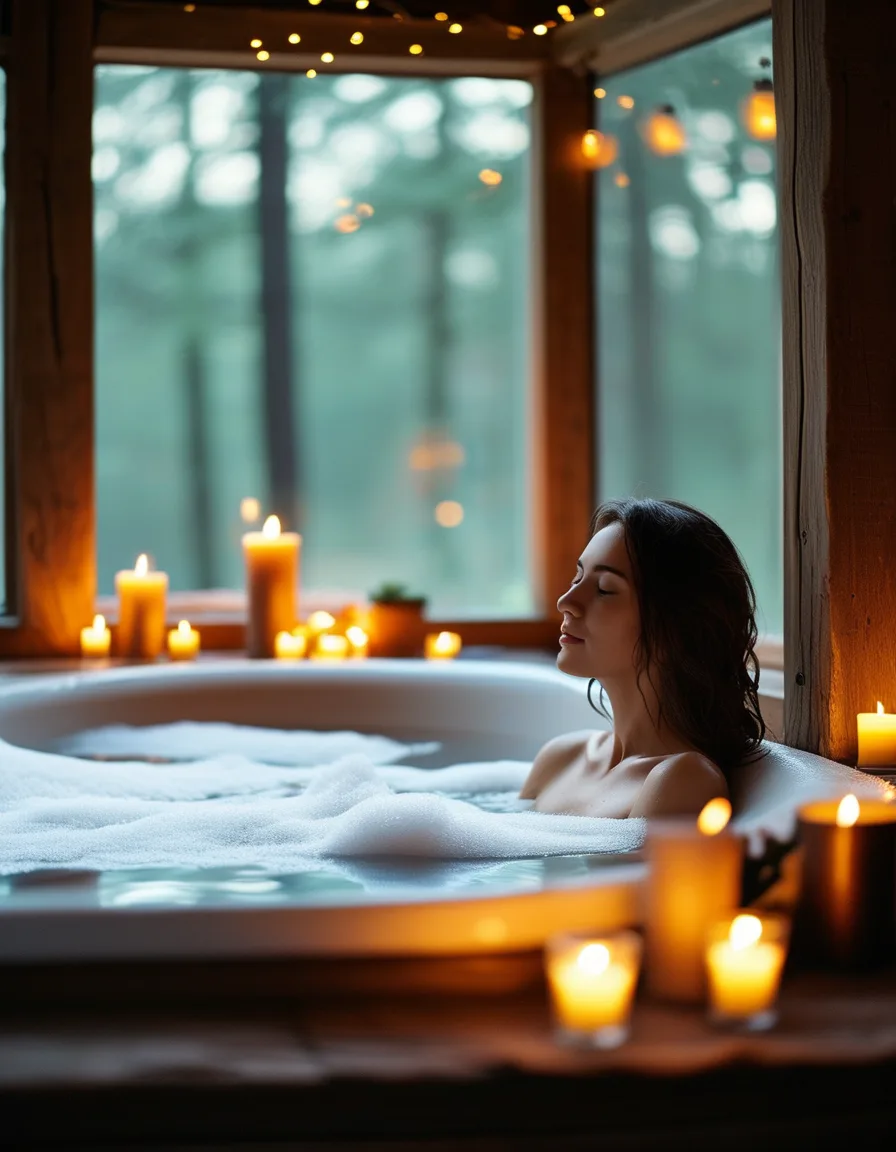
What does very hot water actually do to skin?
Water above roughly 104°F (40°C) strips the skin’s natural oil barrier more aggressively than warm water, which can leave skin drier, more irritated, and more prone to itchiness afterward, especially with frequent hot baths or showers.
This effect compounds with soap and certain bath products, which already reduce natural oils somewhat — very hot water on top of that combination is a common, overlooked contributor to persistent dry skin, particularly in already-dry climates or seasons.
Does bath temperature actually affect sleep quality?
Yes, in a specific and somewhat counterintuitive way — a warm bath 1-2 hours before bed helps sleep by raising, then triggering a drop in, core body temperature as you cool down afterward, which mimics the natural temperature dip that helps initiate sleep.
A bath taken immediately before getting into bed, especially a very hot one, can actually delay this cooling process and make falling asleep slightly harder, since core temperature is still elevated rather than already dropping.
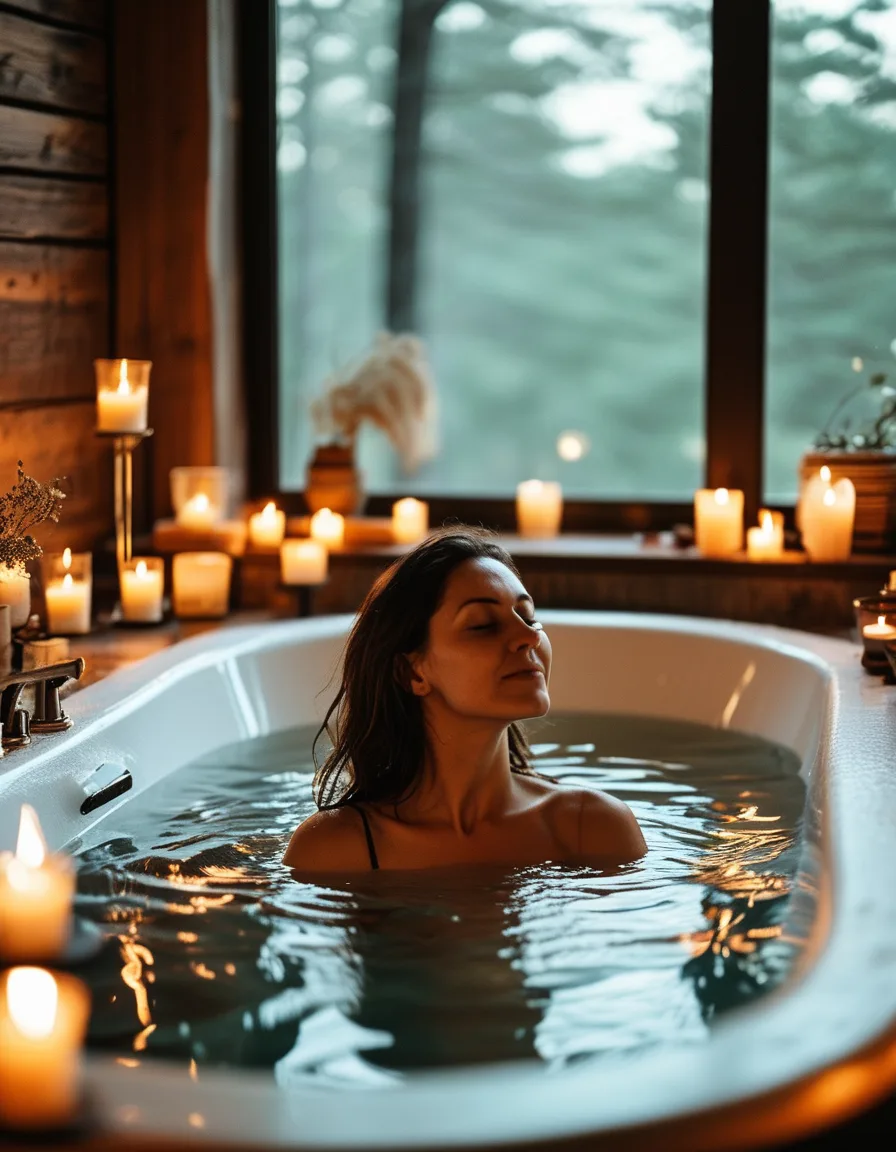
What Nobody Tells You About the Timing-Temperature Combination
Here’s the detail most home spa advice misses: it’s not just temperature or just timing — it’s the combination that matters. A moderately warm bath timed 1-2 hours before bed supports the natural cool-down that aids sleep; the same warm bath taken right before bed, or a very hot bath at any time, works against that mechanism instead of for it.
Many people default to their hottest, most ‘indulgent’ bath right before bed, which is actually the least optimal combination for both skin and sleep, despite feeling the most relaxing in the moment.
What’s the actual ideal setup for a home spa routine?
- Aim for 92-100°F (33-38°C) — warm and comfortable rather than visibly steaming or reddening skin
- Time baths 1-2 hours before bed rather than immediately before, to let the cool-down process support sleep
- Follow with a moisturizer within a few minutes of getting out, while skin is still slightly damp, to lock in hydration that hot water may have reduced
- Limit very hot soaks to occasional use rather than a daily habit, reserving them for specific muscle-recovery purposes rather than routine relaxation
FAQ: Home Spa Water Temperature Questions, Answered
Is a hot bath ever actually beneficial?
Yes — occasional hot soaks can help with muscle soreness and relaxation in the moment; the concern is mainly with frequent, very hot bathing as a daily habit affecting skin and sleep.
What temperature is too hot to check without a thermometer?
If the water causes visible skin reddening within a couple of minutes or feels uncomfortably hot rather than pleasantly warm, it’s likely above the ideal range.
Does the sleep benefit still work with a shower instead of a bath?
Yes — a warm shower 1-2 hours before bed can create a similar core-temperature cool-down effect, though a full bath typically produces a more pronounced version of the effect.
TL;DR:
- Water above about 104°F strips natural skin oils and can worsen dryness with frequent use
- A warm bath 1-2 hours before bed supports sleep through a natural cool-down effect
- The same bath taken immediately before bed or at very high heat works against that sleep benefit
- Moisturizing right after bathing helps offset any hydration lost to warm water exposure
The most ‘indulgent’ scalding-hot, right-before-bed bath is often the least optimal choice for both skin and sleep.
Keep Reading
This article is for general informational and styling purposes only. Fit, sizing, and product availability may vary.