7 At-Home Facial Mistakes That Explain Why It Never Feels Like a Real Spa Treatment
Quick Answer: The gap between a professional facial and a DIY one usually isn’t product quality — it’s technique, order, and time spent. Rushing steps, skipping proper cleansing before treatment products, and using cold water instead of steam are the most common reasons a home facial underdelivers.
You bought the good serums, the sheet masks, the jade roller — and it still doesn’t feel like the glow you get from a real facial. Here are the 7 process mistakes almost everyone makes that have nothing to do with product quality.

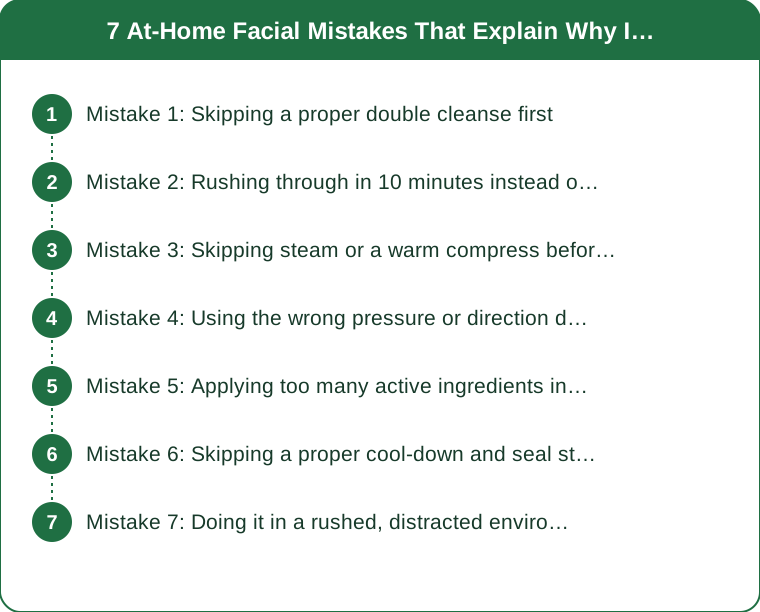
Mistake 1: Skipping a proper double cleanse first
A single quick cleanse often leaves behind makeup residue and surface oil that block your treatment products from actually absorbing. Double cleansing (oil-based cleanser, then a gentle foaming one) removes this barrier — professional facials always start here for a reason.
Mistake 2: Rushing through in 10 minutes instead of 30-45
Estheticians spend real time on each step because product absorption and skin response aren’t instant. A rushed 10-minute routine skips the settling time each layer needs before the next goes on, which is a major reason results feel underwhelming compared to a professional session.
Mistake 3: Skipping steam or a warm compress before extractions or masks
Professional facials almost always open pores with steam or a warm towel first, which measurably improves how well following products and any gentle extraction work. Going straight to cold-water products skips this crucial softening step.
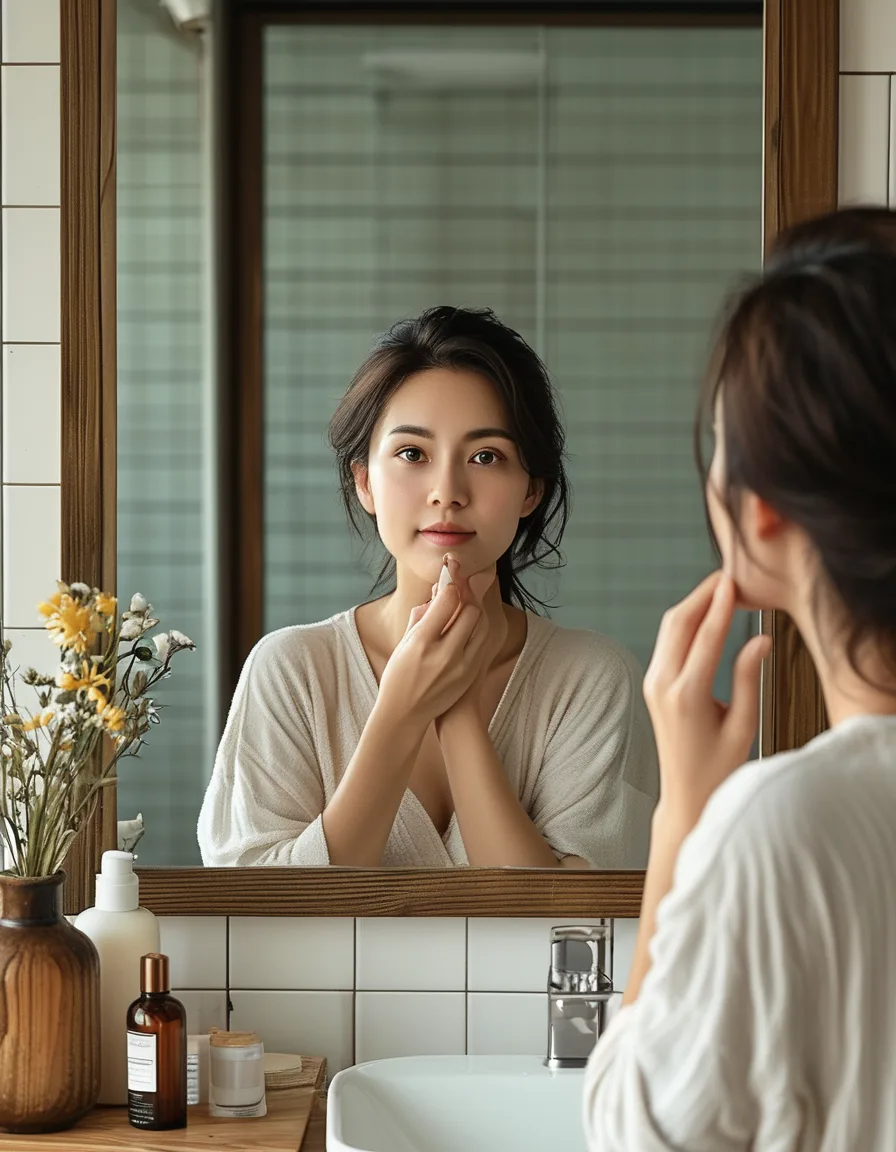
Mistake 4: Using the wrong pressure or direction during massage
Facial massage done too lightly (or with the wrong upward-outward direction) misses the lymphatic drainage and circulation benefit that makes professional facial massage feel so distinctly different — direction and moderate pressure matter more than duration alone.
Mistake 5: Applying too many active ingredients in one session
Combining retinol, strong acids, and vitamin C all in a single at-home session can irritate rather than treat skin, unlike a professional who selects one or two complementary treatments per visit based on your specific skin that day.
Mistake 6: Skipping a proper cool-down and seal step at the end
A facial’s final moisturizer-and-cool-down step locks in everything applied before it — skipping straight from active treatment to bed (or straight out the door) lets a meaningful amount of the treatment’s benefit evaporate before it’s absorbed.
Mistake 7: Doing it in a rushed, distracted environment
Part of a spa facial’s effect is genuinely the calm, unhurried environment — measurable relaxation reduces cortisol, which affects skin inflammation and appearance independent of the products used. A facial done half-watching a show, phone in hand, misses this whole physiological piece.
How long should an at-home facial actually take to feel comparable to a professional one?
Budget 30-45 minutes minimum, matching roughly what a professional session takes, rather than compressing it into a rushed 10-15 minutes.
Do you need professional-grade tools to get a real spa-level result at home?
No — technique, order, and unhurried pacing account for far more of the difference than tool or product tier.
How often should you do a full at-home facial routine like this?
Once weekly is a common, sustainable frequency that mirrors typical professional facial spacing without over-treating skin between sessions.
TL;DR:
- The professional-vs-DIY facial gap is mostly technique and pacing, not product quality
- Double cleanse first, use steam or warmth before treatment, and don’t rush through in 10 minutes
- Skip combining too many active ingredients in one session
- Seal with a proper moisturizer step and do it in an actually unhurried, calm environment
Keep Reading
This article is for general informational and styling purposes only. Fit, sizing, and product availability may vary.